
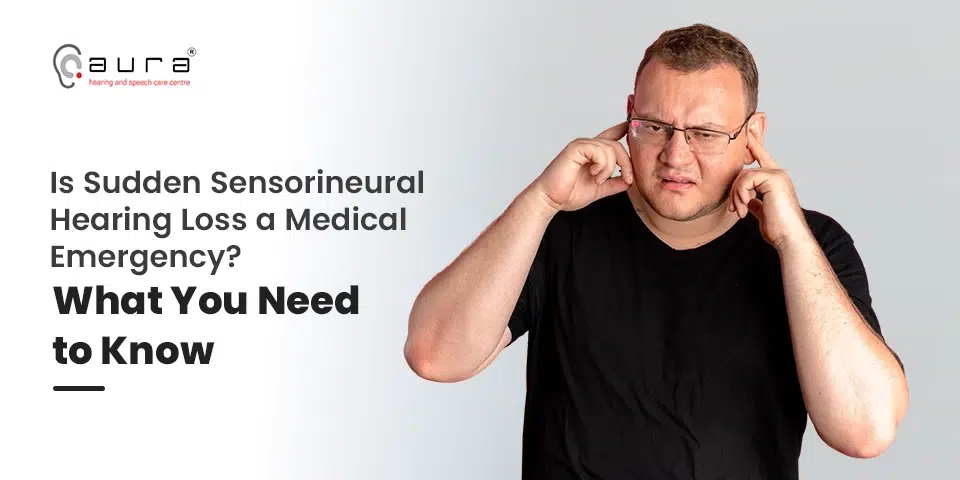
Sudden sensorineural hearing loss (SSHL) is a rare but serious condition that can occur without warning. It refers to the rapid loss of hearing in one or both ears, often occurring within a span of 72 hours or less. This condition can be alarming and may lead to permanent hearing damage if not addressed promptly. If you or a loved one is experiencing sudden sensorineural hearing loss, it's important to understand whether it constitutes a medical emergency and what steps you should take.
In this blog, we will explore SSHL, its potential causes, why immediate medical attention is crucial, and the available treatments, including hearing aids. By the end of this blog, you’ll have a clear understanding of sudden sensorineural hearing loss and how we can help restore your hearing.
Sudden sensorineural hearing loss (SSHL) is a rapid-onset hearing condition that affects the inner ear or the auditory nerve, responsible for transmitting sound signals to the brain. Unlike conductive hearing loss, which is caused by external factors like earwax or ear infections, SSHL is related to problems with the inner ear's delicate structures.
The loss can be sudden, with no apparent cause, or it may occur after an infection, trauma, or even after exposure to loud noise. It typically affects one ear, but in rare cases, both ears can be affected.
Yes, sudden sensorineural hearing loss is considered a medical emergency. The rapid onset of hearing loss can lead to irreversible damage if not treated quickly. In many cases, SSHL may resolve on its own, but treatment options like steroids or other therapies can significantly improve recovery outcomes if administered early.
If you experience sudden hearing loss, seeking immediate medical attention is important for the following reasons:
Effective Treatment Options:
Certain treatments like steroids or hyperbaric oxygen therapy can be effective in improving hearing recovery, but they need to be initiated as soon as possible after the onset of sudden sensorineural hearing loss.
While the exact cause of sudden sensorineural hearing loss remains unknown in many cases, some potential triggers include:
If you’re unsure of the cause or are experiencing sudden hearing loss, it's critical to consult with an audiologist to get the necessary tests and diagnosis.
The symptoms of SSHL may vary, but the most common include:
Also Read: Hearing Loss in Seniors: Why Hearing Tests Matter After 60
If you suspect you’re experiencing sudden sensorineural hearing loss, it’s crucial to visit an audiologist for a hearing test. We offer comprehensive hearing assessments using the latest digital audiometer technology to accurately diagnose SSHL. Early detection allows for faster treatment and better recovery outcomes. Schedule your free consultation today at Aura Hearing Care, where our expert audiologists can guide you through the process, offer comprehensive hearing tests, and discuss the best hearing aid options suited for your needs.
At Aura Hearing and Speech Care Centre, we offer specialized care for sudden sensorineural hearing loss (SSHL) and other hearing conditions. Here’s why we stand out as your trusted hearing care provider:
We are an authorized dealer for leading hearing aid brands like Signia, Phonak, ReSound, Widex, Unitron, and Beltone. Unlike exclusive dealers, we provide a wide selection of devices, ensuring you get a hearing aid that’s tailored to your specific needs and preferences.
We believe in full transparency. When you purchase bilateral digital hearing aids from us, you'll receive:
In case of any breakdowns or repairs, we provide a spare instrument to ensure you don’t miss a moment of sound while your hearing aid is being serviced.
Just like your eyesight, your hearing may change over time. That’s why we offer lifetime aftercare, including free hearing check-ups and any necessary servicing, to keep your hearing aids working optimally for years to come.
We offer the latest hearing aid technology, including small, discreet models, 100% invisible devices, Bluetooth-enabled options, and waterproof designs. This ensures you get a hearing solution that fits your lifestyle and hearing needs.
Our clinics are equipped with the latest digital audiometry tools, including video otoscopes, to deliver precise and accurate hearing tests for effective diagnosis and treatment.
We use sound-treated booths to eliminate any external noise during hearing tests, providing you with highly accurate and reliable results.
At Aura Hearing and Speech Care Centre, we’re committed to delivering a comprehensive, personalized hearing solution with the latest technology, expert fitting, and ongoing support to ensure your hearing health is in the best hands.
If you or a loved one is experiencing sudden sensorineural hearing loss, it’s essential to seek medical help immediately. Aura Hearing and Speech Care Centre offers expert care and state-of-the-art hearing solutions to help you restore your hearing and improve your quality of life. Don’t wait—early intervention is key to preventing permanent hearing loss.
Book your appointment now and take the first step towards better hearing.


Hearing loss can be permanent, especially if it is sensorineural in nature. However, with early treatment and the use of hearing aids or implants, many individuals can manage hearing loss and continue to lead active lives. Regular hearing checkups are important to monitor changes and adapt treatments.
Sudden hearing loss can occur at any age, but it is most common between the ages of 30 and 60. Although SSHL can affect anyone, people with certain risk factors, like a history of ear infections or exposure to loud noises, are more prone to it.
Although stress itself does not directly cause sensorineural hearing loss, it can exacerbate underlying health conditions that may lead to hearing problems. For example, stress can affect blood flow and immune system function, potentially triggering conditions that damage the inner ear.
Yes, many individuals with mild hearing loss can live a normal life. However, it’s important to seek treatment early. Hearing aids or assistive listening devices can help improve hearing in challenging environments and prevent further deterioration. Early intervention ensures better adaptation and quality of life.
WhatsApp us