

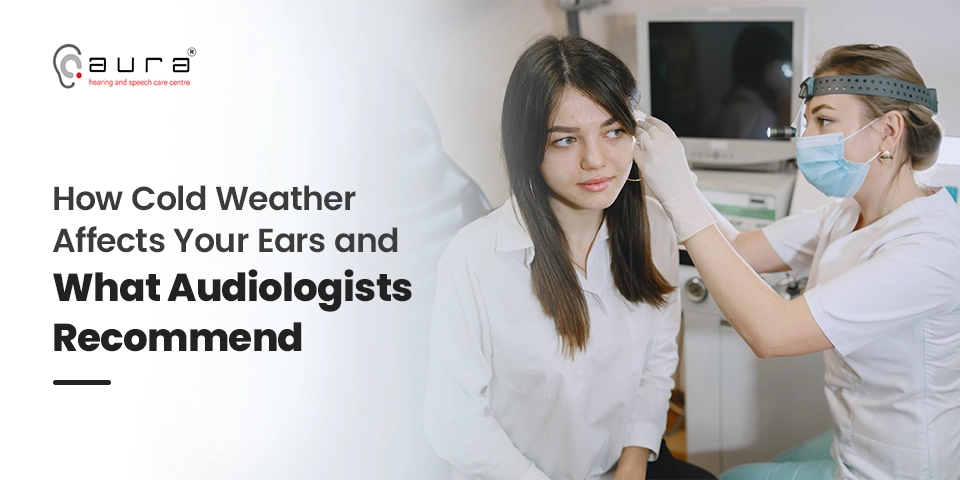
As the temperature drops and the winter season sets in, it’s not just your skin that feels the chill; your ears can also be affected. Cold weather can bring a range of ear-related issues, from discomfort and pain to more serious conditions like ear infections and hearing loss. Understanding how cold weather affects your ears and how to protect them is essential for maintaining optimal ear health throughout the season. In this blog, we will explain the impact of cold weather on your hearing and ear health, along with tips and advice from certified audiologists on how to keep your ears safe during the colder months.
Your ears, like any other part of your body, are susceptible to the effects of extreme temperatures. When exposed to cold weather, several factors can affect your ear health:
Cold weather often leads to ear sensitivity, especially when exposed to wind and freezing temperatures. The skin on your ears is relatively thin and lacks the protection that other areas of your body have, making it more vulnerable to the elements. This can result in a sharp pain or discomfort, especially when the wind is cold and biting.
In extremely cold temperatures, the body works to preserve heat, redirecting blood flow from the extremities, including the ears, to protect vital organs. As a result, the blood vessels in the ears constrict, potentially causing a sensation of numbness, tingling, or even pain. Prolonged exposure to such conditions can lead to more severe issues, including frostbite, which can damage the ear tissue.
Cold air tends to be dry, and this can affect the moisture levels in your ears, causing the skin inside the ear canal to dry out. This can lead to itchy, uncomfortable sensations or, in more severe cases, cracked skin that might become vulnerable to infection. When the skin in your ears dries out and cracks, it can also lead to irritation or the build-up of earwax, which can further obstruct sound.
During winter months, cold air combined with indoor heating can contribute to dry, irritated ear canals. In such conditions, bacteria or fungi can easily thrive and lead to ear infections. Additionally, cold and damp environments can create the perfect breeding ground for the viruses that cause ear infections, particularly for those who wear hats, earmuffs, or other headgear that trap moisture in the ear.
Winter weather is often associated with colds, flu, and sinus congestion. When your sinuses are congested, it can lead to a build-up of pressure in the ears, causing them to feel blocked or full. This can impair your hearing and lead to discomfort. If untreated, sinus pressure can lead to middle ear infections or other complications.
While cold weather can pose challenges to your ear health, there are several steps you can take to minimise the risk of ear-related issues and keep your ears in good shape during the winter months. Here are some expert recommendations from the audiologists at Aura Hearing Aid Clinic:
One of the most effective ways to protect your ears from cold temperatures is by covering them. Wearing hats, earmuffs, or headbands that cover your ears will provide essential protection from the cold wind and help preserve the warmth of your ears. Choose soft, breathable materials that will not irritate the sensitive skin of your ears. Avoid tight-fitting ear protection, as it can cause discomfort and reduce blood circulation.
Moisture is one of the main culprits behind ear infections, especially during the winter months. When wearing earmuffs or hats, ensure that your ears stay dry. If your ears become wet from rain or snow, dry them gently with a soft cloth as soon as possible. Also, avoid prolonged exposure to damp environments, such as swimming in cold, icy waters, as this can increase the risk of ear infections.
Just as cold weather can cause dry skin on your face and hands, it can also lead to dryness in the ear canal. To prevent dryness, apply a small amount of ear-safe moisturizer around the outer ear and the opening of the ear canal. Avoid inserting cotton swabs or other objects into your ear canal, as this can cause irritation or injury. Instead, consult your audiologist for appropriate moisturizing ear drops if you experience dryness or itching inside your ears.
If you are exposed to loud noises or spend extended periods outside in harsh conditions, consider using ear protection. Wind and cold temperatures can sometimes cause an increase in noise levels, especially in areas where the wind is strong or where snow is falling. Earplugs or earmuffs designed for noise reduction can help protect your hearing from damage caused by environmental sounds.
Audiologists are trained to provide expert advice on ear health, particularly in relation to seasonal changes and hearing aid care. If you’re experiencing any ear discomfort or issues due to cold weather, it’s a good idea to consult with an audiologist. They can:
• Perform comprehensive hearing tests to identify any changes in your hearing that may occur due to seasonal or cold-weather factors.
• Provide personalized guidance on maintaining ear health and protecting your hearing during winter, including tips to prevent cold-related ear issues.
• Recommend suitable ear care products such as hearing aid accessories, medicated ear drops, or custom ear protection to support and improve your winter ear health.
At Aura Hearing Aid Clinic, we understand the importance of maintaining your ear health, especially during the winter months. Our team of certified audiologists is here to provide expert advice, treatment, and products to ensure that your ears remain comfortable and protected throughout the season.
If you’re experiencing any winter-related ear issues or need assistance with hearing protection, don’t hesitate to contact us. Schedule an appointment with one of our expert audiologists today and take the first step towards better ear health this winter.
Visit Aura Hearing Aid Clinic to book your hearing test or consultation and get personalized advice on keeping your ears safe during the colder months.
Taking care of your ears during the winter months is crucial for maintaining your hearing health. By following this winter ear care checklist, you can reduce the risk of ear infections, prevent hearing aid malfunctions, and ensure your ears stay comfortable and healthy throughout the season.
If you have any concerns about your ear health or hearing aids during the winter months, don’t hesitate to schedule a consultation with one of Aura Hearing Aid’s certified audiologists. Our team of trusted professionals is here to provide expert advice and personalized care to keep your ears in top condition all year long.
Contact Aura Hearing Aid Clinic today to book your winter ear care consultation!



Cold weather can lead to ear sensitivity and constricted blood flow, but prolonged exposure can cause temporary hearing issues or discomfort.
Wear earmuffs, hats, or headbands that cover your ears to protect them from the cold and reduce the risk of frostbite or discomfort.
To prevent dryness, use ear-safe moisturizers around your outer ear and consult an audiologist for appropriate moisturising ear drops.
Keep your ears dry by using a soft cloth to gently dry them after exposure to moisture and avoid prolonged exposure to cold and damp environments.
Yes, if you experience any ear discomfort or changes in your hearing, it’s a good idea to consult an audiologist for expert advice and treatment.

Aura Hearing Care is a leading hearing aid provider offering personalized solutions with cutting-edge technology and expert care across India.
WhatsApp us