

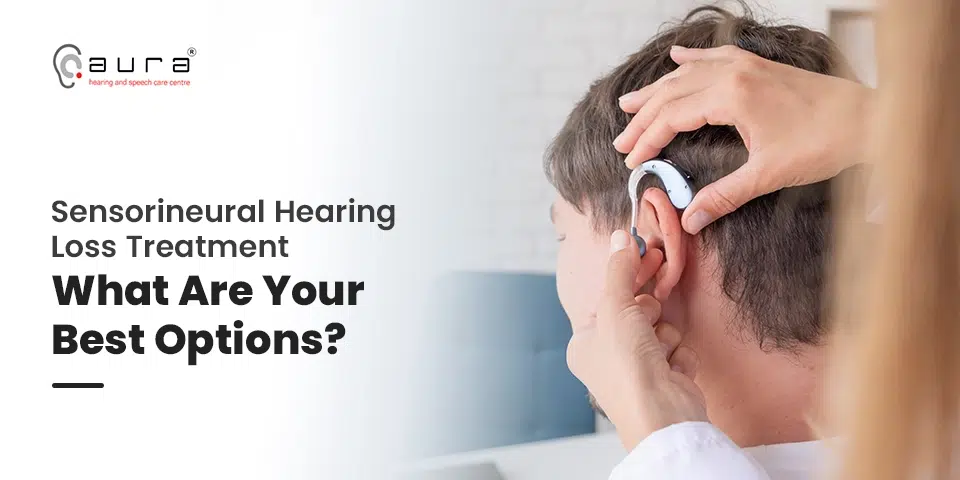
Sensorineural hearing loss (SNHL) is the most common type of permanent hearing impairment. Unlike conductive hearing loss, which results from problems in the outer or middle ear, sensorineural hearing loss stems from damage to the inner ear or the auditory nerve that transmits sound signals to the brain. It can be caused by aging, exposure to loud noises, genetic factors, or certain medical conditions. While sensorineural hearing loss is often permanent, various treatment options can help individuals regain their ability to hear and improve their quality of life.
In this blog, we’ll explore the best treatment options available for sensorineural hearing loss, including hearing aids, medical treatments, and surgical options.
Understanding Sensorineural Hearing Loss
Sensorineural hearing loss (SNHL) affects the inner ear, specifically the cochlea, or the auditory nerve. This type of hearing loss typically results in the inability to hear certain frequencies or tones, and can make it difficult to understand speech, especially in noisy environments.
Common Causes of Sensorineural Hearing Loss:
- Aging (presbycusis)
- Exposure to loud noises (noise-induced hearing loss)
- Genetic factors
- Medications (ototoxic drugs)
- Infections, such as meningitis or measles
- Head trauma or trauma to the ear
- Tumors affecting the auditory nerve (e.g., vestibular schwannoma)
Unlike conductive hearing loss, which can often be treated with surgery or medical intervention, sensorineural hearing loss is more challenging to treat. However, modern technology and rehabilitation techniques can help individuals with SNHL manage their condition effectively.
Best Treatment Options for Sensorineural Hearing Loss
1. Hearing Aids: The First Line of Treatment
Hearing aids are the most common treatment for sensorineural hearing loss, particularly for individuals with mild to moderate hearing impairment. Hearing aids amplify sound, making it easier for individuals to hear and communicate effectively. Some benefits of hearing aids include:
- Sound amplification for better speech understanding
- Noise reduction for improved clarity in challenging environments
- Bluetooth connectivity to stream audio from smartphones, televisions, and other devices
- Invisible designs for a discreet look
If you are dealing with sensorineural hearing loss, hearing aids can significantly improve your hearing experience, allowing you to reconnect with the world around you.
Book an appointment at Aura Hearing Care to find the perfect hearing aid for your needs.
2. Cochlear Implants: A Solution for Severe Hearing Loss
For individuals with severe or profound sensorineural hearing loss, cochlear implants may be recommended. A cochlear implant bypasses the damaged portion of the ear and directly stimulates the auditory nerve, allowing individuals to hear sounds that would otherwise be inaudible.
Cochlear implants are particularly effective for people who do not benefit from traditional hearing aids. The implant consists of two parts:
- A small device is surgically placed under the skin behind the ear.
- A microphone and speech processor that picks up sounds and converts them into electrical signals.
While cochlear implants do not restore natural hearing, they provide a powerful solution for those with profound hearing loss, improving speech comprehension and overall quality of life.
3. Medical Treatments for Sensorineural Hearing Loss
In some cases, sensorineural hearing loss may be caused by a treatable medical condition. Depending on the underlying cause, the following treatments may help:
- Steroid medications: If hearing loss is caused by inflammation or sudden onset of SNHL, oral steroids or steroid injections can reduce swelling and restore some hearing.
- Antibiotics or antivirals: If hearing loss is caused by an infection, antibiotics or antiviral medications may help prevent further damage to the ear and restore hearing.
- Oxygen therapy: If the hearing loss is due to poor oxygen supply to the inner ear, hyperbaric oxygen therapy may improve hearing in some cases.
It's essential to consult with an audiologist or ENT specialist for a comprehensive diagnosis and treatment plan if you suspect a medical cause for your hearing loss.
4. Speech Therapy and Auditory Training
For individuals with sensorineural hearing loss, speech therapy and auditory training can play an important role in improving communication skills. Speech therapy helps patients with articulation, speech production, and comprehension. Auditory training involves exercises that improve the brain's ability to process sound, enhancing listening and comprehension.
These treatments, combined with hearing aids or cochlear implants, can significantly improve communication and quality of life for those with sensorineural hearing loss.
5. Assistive Listening Devices (ALDs)
In addition to hearing aids, other assistive listening devices (ALDs) can enhance hearing in specific situations, such as when watching television, in large group settings, or during phone calls. Some common ALDs include:
- FM systems: Use radio signals to transmit sound directly to the hearing aids.
- Telecoils: Help individuals with hearing aids hear better in phones and public loops.
- Personal amplifiers: Handheld devices that amplify speech during one-on-one conversations.
These devices are great complements to hearing aids and can further support individuals with sensorineural hearing loss.
Why Choose Aura Hearing Care for Sensorineural Hearing Loss Treatment?
At Aura Hearing Care, we are dedicated to providing customized hearing solutions for individuals dealing with sensorineural hearing loss. Here's why we are the ideal choice for your hearing health:
1. Wide Range of Trusted Hearing Aid Brands
As an authorized partner of leading hearing aid brands such as Signia, Phonak, Resound, Widex, Unitron, and Belton, we offer a variety of options tailored to meet your unique hearing needs. We work with multiple reputable brands to ensure you receive the best hearing aid, specifically suited for your sensorineural hearing loss.
2. Transparent Pricing with No Hidden Costs
We value complete transparency. When you choose our bilateral digital hearing aids, you receive the following services at no extra cost:
- Free consultation
- Free audiometry
- Free hearing aid trial
- Free fitting and fine-tuning
- Free battery supply for the first three months
This ensures that you can make an informed decision without any hidden charges.
3. Free Lifetime Aftercare Service
We are committed to long-term care for your hearing. Just like regular eye check-ups, hearing health requires ongoing attention. We offer free lifetime hearing check-ups and hearing aid servicing, ensuring that your hearing aid remains in top condition throughout your life.
4. Spare Instrument for Continuous Hearing
In case of emergencies or breakdowns, we provide a spare instrument, so you never have to experience a lapse in your hearing aid usage. We understand how crucial it is to maintain continuous hearing, and we make sure you’re always covered.
5. Cutting-Edge Hearing Aid Technology
We offer the most advanced hearing aids, including:
- Bluetooth-enabled devices for seamless smartphone connectivity
- Waterproof models for active lifestyles
- Discreet designs, including the smallest devices available, for those seeking a more subtle solution
Our hearing aids are designed with the latest technology to ensure clear, high-quality sound.
6. Advanced Digital Hearing Tests
At Aura Hearing Care, we use the latest digital tools like digital audiometers, video otoscopes, and computerized audiometry to perform thorough and accurate hearing assessments. Our cutting-edge equipment ensures that we deliver precise diagnoses and treatment plans tailored to your sensorineural hearing loss.
7. Sound-Treated Booths for Precise Testing
We use sound-treated booths during hearing tests to minimize background noise, ensuring that your hearing test is as accurate as possible. This helps us provide you with the best hearing solutions based on precise results.
If you’re ready to take the next step in improving your hearing, book your free consultation at Aura Hearing Care. Our expert audiologists will guide you through the process and help you find the perfect hearing aid solution for your sensorineural hearing loss!
Also Read: What to Expect When You Purchase Hearing Aids: A Step-by-Step Guide
Conclusion: Take Action Today for Better Hearing
If you’ve been diagnosed with sensorineural hearing loss, it’s important to seek timely treatment to minimize its impact on your quality of life. Whether through hearing aids, cochlear implants, or medical treatments, there are many options available to improve your hearing.
Aura Hearing Care is here to guide you through the treatment process with personalized solutions, professional care, and the latest technology. Don’t let sensorineural hearing loss hold you back from living your best life—take the first step toward better hearing today.
Book your free consultation now and experience the difference.
Recent Posts



Contact Us
- +91 93245 98192
- info@aurahearingaid.com
FAQ’s
What is the Future Treatment for Sensorineural Hearing Loss?
The future of sensorineural hearing loss treatment may include gene therapy, stem cell treatments, and neuroprosthetics to restore or regenerate hearing. Ongoing research into these innovative therapies holds promise for better recovery options in the future.
How to Improve Ear Nerve Damage?
Currently, there are no proven methods to repair damaged ear nerves. However, hearing aids, cochlear implants, and auditory rehabilitation can help bypass the damaged nerve and improve the ability to hear. Research into nerve regeneration therapies is ongoing.
How Do I Stop My Ear Vibration?
To stop ear vibration, it’s essential to identify the cause. If the vibration is related to tinnitus, managing stress, using white noise, or seeking cognitive behavioral therapy (CBT) may help. For other causes like ear infections, medical treatment may be required.
How Do I Stop My Ear Vibration?
To stop ear vibration, it’s essential to identify the cause. If the vibration is related to tinnitus, managing stress, using white noise, or seeking cognitive behavioral therapy (CBT) may help. For other causes like ear infections, medical treatment may be required.